
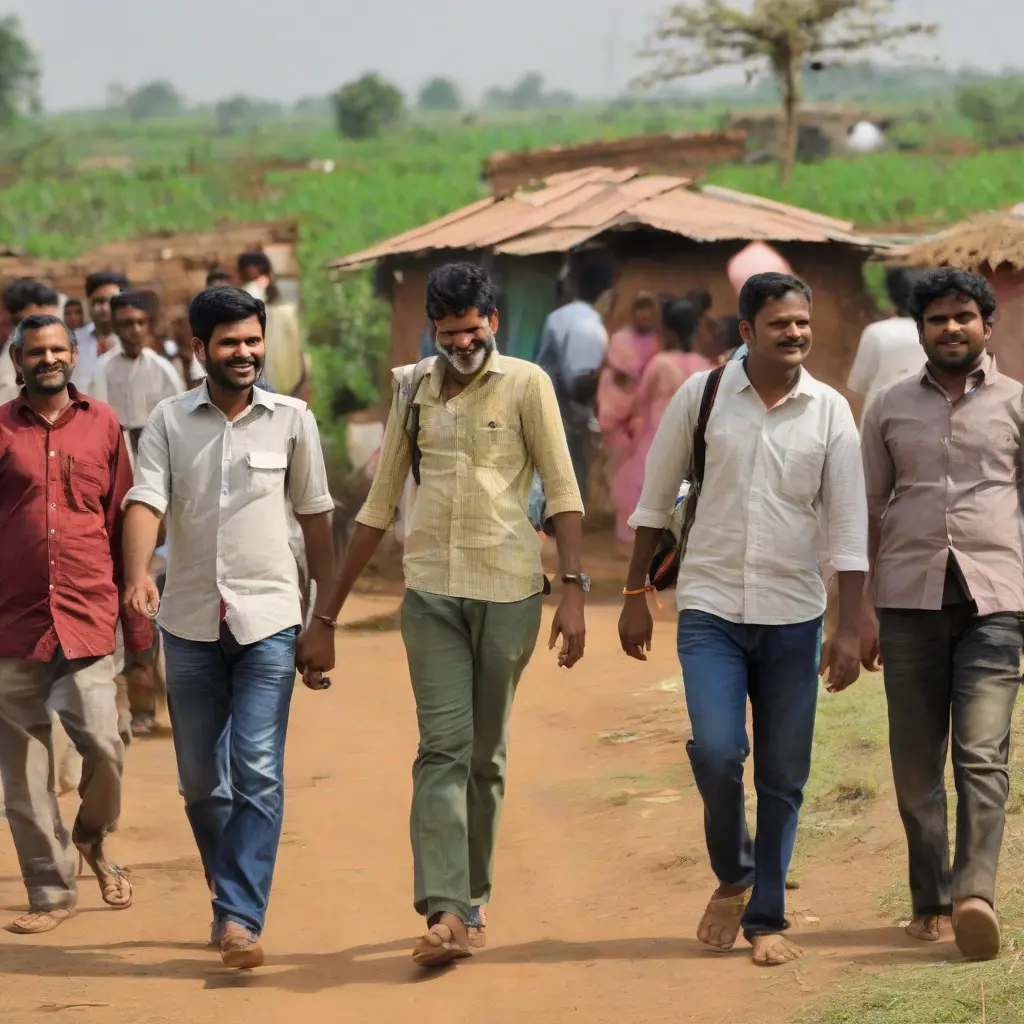
Community-centric startups are emerging as a vital force in rural India, addressing local challenges while leveraging indigenous knowledge and resources. These enterprises are not just about profit; they are deeply rooted in the communities they serve. By focusing on sustainable practices and social responsibility, these startups contribute to economic upliftment and social empowerment. The unique needs of rural areas call for innovative solutions that reflect local culture and values, leading to a symbiotic relationship between entrepreneurs and their communities.
Understanding the Importance of Community-Centric Startups
Community-centric startups play a crucial role in harnessing local talent and resources to create sustainable solutions. These businesses are tailored to meet the specific needs of their communities, unlike traditional businesses that might overlook local context. By fostering local talent, they contribute to skill development and create job opportunities, thereby reducing migration to urban areas. The focus on community well-being ensures that economic growth is inclusive and equitable, leading to improved standards of living for all community members.
Examples of Successful Community-Centric Startups
Several successful community-centric startups in rural India effectively demonstrate the potential of this model. For instance, companies like SELCO India provide solar energy solutions tailored to meet local needs, enabling households to access affordable electricity. Similarly, companies like Rang De offer micro-lending services to help rural entrepreneurs start their ventures. These examples illustrate how startups can leverage local resources while addressing prevalent issues such as energy poverty and financial exclusion, directly impacting community development.
Challenges Faced by Community-Centric Startups
Despite their positive impact, community-centric startups face numerous challenges that can hinder their growth and sustainability. Limited access to funding is a significant obstacle, as many investors prioritize urban-centric businesses. Additionally, regulatory hurdles and inadequate infrastructure can stifle innovation. Many of these startups also struggle with market access, as traditional supply chains might not be equipped to reach rural customers effectively. Addressing these challenges is vital for ensuring the success of these enterprises in the long term.
The Role of Technology in Community-Centric Startups
Technology plays an essential role in enhancing the efficiency and reach of community-centric startups. From digital platforms that connect local producers with buyers to mobile apps that facilitate access to financial services, technology can bridge gaps that previously existed. Innovations such as blockchain also promise to enhance transparency and trust in transactions, which is crucial in rural settings. By harnessing technology, these startups can scale their operations while maintaining a community focus, thus amplifying their impact.
Building Community Partnerships for Sustainable Growth
Building partnerships within the community is crucial for the sustained success of community-centric startups. Collaborating with local organizations, farmer cooperatives, and educational institutions can create a supportive ecosystem that nurtures entrepreneurship. These partnerships can help in resource sharing, mentorship, and providing market access, ultimately fostering a collaborative spirit. By aligning their goals with community interests, startups can ensure enhanced trust and engagement, paving the way for mutual growth.
Government Initiatives Supporting Community-Centric Startups
The Indian government has launched various initiatives aimed at supporting community-centric startups, recognizing their role in rural development. Programs like Startup India and the MUDRA scheme provide financial assistance and mentorship for emerging entrepreneurs. Additionally, various policies focus on enhancing rural infrastructure and digital connectivity, which are crucial for the scalability of these startups. By providing a conducive environment, the government is fostering an ecosystem where community-centric startups can thrive and contribute to national growth.
Impact on Rural Employment and Income Generation
Community-centric startups are significantly impacting rural employment and income generation by creating diverse job opportunities in various sectors. These businesses often employ locals, thus reducing unemployment rates and promoting economic stability. By encouraging entrepreneurship, they empower individuals to create their own jobs, contributing to income diversity. Moreover, the value added through local enterprises can enhance overall income levels, leading to better living standards and reduced poverty in rural areas.
The Future of Community-Centric Startups in Rural India
Looking ahead, the future of community-centric startups in rural India appears promising due to increasing awareness and the growing importance of sustainable practices. As consumer preferences shift towards ethical and sustainable products, these startups are well-positioned to meet these demands. Additionally, advancements in technology and supportive government policies may further enable these enterprises to scale. This evolution can lead to a more resilient rural economy, with startups contributing to a robust ecosystem that prioritizes community well-being.
Conclusion
In conclusion, community-centric startups in rural India are essential for fostering sustainable development and economic empowerment. By addressing local challenges through innovative solutions and building strong community ties, these enterprises are reshaping the rural landscape. Their potential to enhance livelihoods and promote social change makes them a vital component of India’s entrepreneurial ecosystem. With continued support and investment, the future of these startups holds great promise for rural communities across the nation.