
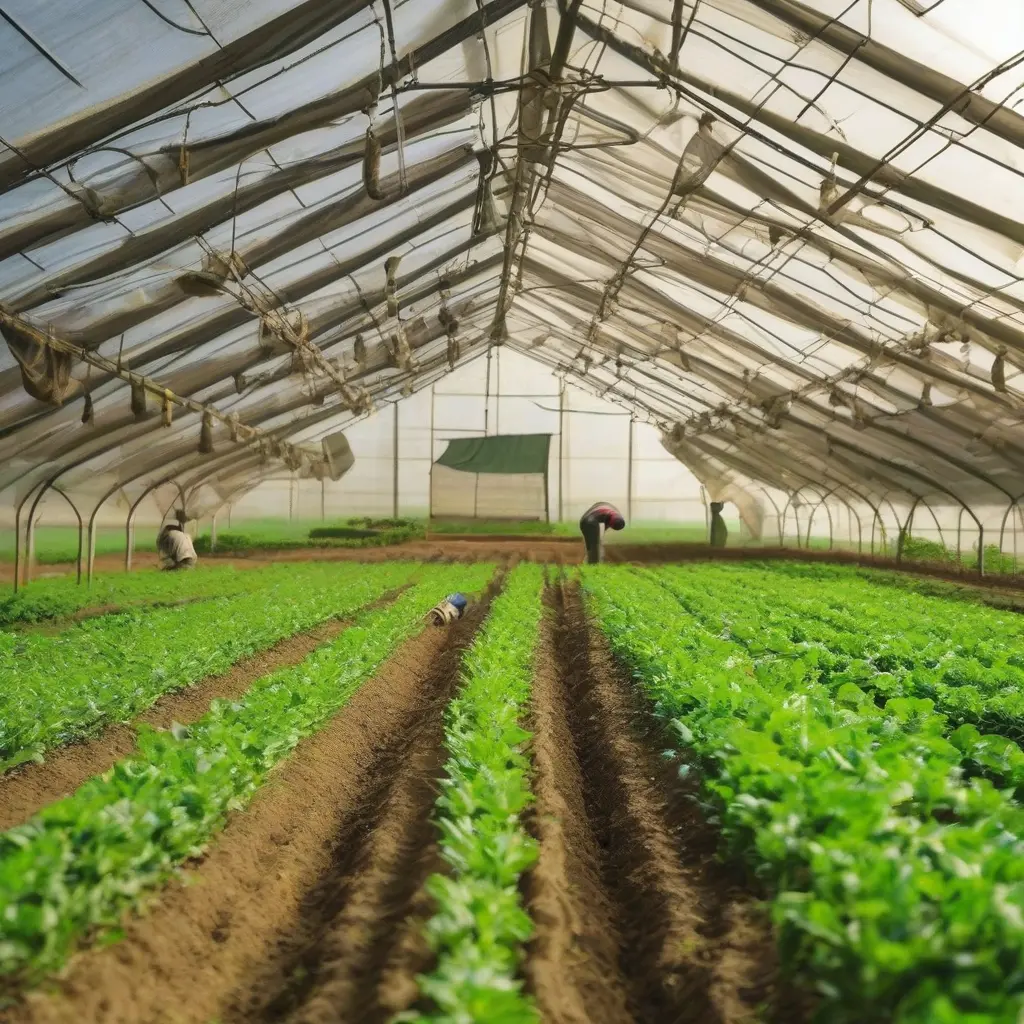
Agriculture is vital to India’s economy, supporting millions of livelihoods and providing substantial contributions to GDP. However, traditional methods are becoming insufficient in the face of modern challenges like climate change, population growth, and resource scarcity. Innovative agricultural startups can play a key role in addressing these issues by introducing sustainable practices, integrating technology, and enhancing productivity. This article discusses various startup ideas poised to revolutionize farming in India, offering insights into how they can address current agricultural challenges.
Precision Agriculture Tools
Precision agriculture utilizes technology to monitor and manage field variability in crops. Startups can develop sophisticated tools such as drones, Internet of Things (IoT) sensors, and data analytics platforms that provide farmers with real-time data about soil conditions, moisture levels, and crop health. These tools allow for tailored interventions, leading to optimized resource use, increased crop yields, and reduced environmental impact. By adopting precision agriculture methods, farmers can significantly enhance their productivity and sustainability.
Vertical Farming Solutions
Vertical farming presents a revolutionary approach to agricultural production, enabling crops to be grown in stacked layers within controlled environments. Startups focused on this model can help cities combat land scarcity while providing fresh produce year-round. Technologies such as hydroponics, aeroponics, and LED lighting can be leveraged to minimize water and space usage. This innovation not only caters to urban consumers’ demand for fresh food but also aligns with sustainable practices, making it an attractive venture for new entrepreneurs.
Agri-Tech Platforms
Agri-tech platforms are becoming increasingly important as intermediaries connecting farmers with consumers and suppliers. Startups that develop online marketplaces can facilitate direct sales, reducing the layers between producers and buyers. These platforms can also offer educational resources, business management tools, and financial services tailored to the needs of farmers. By providing these services, agri-tech platforms promote fair pricing, enhance market access, and create a sense of community among agricultural stakeholders.
Sustainable Fertilizers and Bio-Pesticides
The rising awareness of environmental issues has led to a growing demand for sustainable fertilizers and bio-pesticides. Startups focusing on the production of organic alternatives can significantly reduce the ecological footprint of farming practices. Innovations in bioengineering can help create effective solutions that are both environmentally friendly and cost-efficient. By offering safer, organic options to conventional chemical treatments, these startups can appeal to a market concerned with health and sustainability.
Remote Sensing and AI-Driven Analytics
Remote sensing technologies, combined with artificial intelligence, can provide farmers with valuable insights into crop conditions and yield predictions. Startups can harness satellite imagery and UAV (drone) technologies to assess land conditions and optimize farming strategies. AI-driven analytics can help identify patterns, ensuring that farmers make informed decisions on planting, irrigation, and harvesting. By integrating these advanced technologies, agricultural startups have the potential to reshape traditional farming approaches, increasing efficiency and sustainability.
Water Management Solutions
With water scarcity becoming a pressing issue, innovative water management solutions are essential for modern agriculture. Startups can create systems that optimize water usage through drip irrigation, rainwater harvesting, and smart irrigation scheduling. These solutions not only help farmers save costs but also contribute to sustainable farming by preserving precious water resources. Developing technologies that accurately monitor soil moisture and forecast irrigation needs can lead to more productive and efficient farming practices.
Community-Based Farming Initiatives
Community-based farming initiatives can foster local food production and promote sustainable practices. Startups that focus on organizing cooperatives or community-supported agriculture (CSA) programs encourage collaboration among farmers. Such initiatives can help reduce costs, share resources, and educate participants on best practices. By prioritizing community involvement, these startups enable smaller producers to gain access to markets, ultimately creating a robust support network that strengthens local agriculture.
Blockchain for Supply Chain Transparency
Blockchain technology can revolutionize the agricultural supply chain by ensuring transparency and traceability. Startups that implement blockchain solutions can provide consumers with verified information about the origin and handling of their food. This technology not only boosts consumer confidence but also helps farmers track their produce from field to market. By enhancing accountability and reducing fraud, blockchain can significantly improve the overall efficiency of agricultural supply chains.
Mobile Apps for Farmers
Mobile applications tailored for farmers can bridge the information gap, providing crucial data about weather forecasts, pest management, and market prices. Startups developing these apps can offer functionalities such as community forums for knowledge sharing, access to farming tips, and connections to local suppliers. By leveraging mobile technology, these solutions empower farmers to make informed decisions and enhance productivity. Increasing smartphone penetration in rural areas presents a ripe opportunity for app development targeting agricultural needs.
Climate-Resilient Crops
Developing climate-resilient crop varieties is imperative for adapting to changing weather patterns. Startups focused on agricultural biotechnology can invest in research to breed or genetically modify crops that can withstand extreme conditions such as drought or floods. These innovations can lead to greater food security as they enable farmers to cultivate crops effectively even in adverse climates. The production of climate-resilient crops is not only crucial for survival but also for promoting sustainable agricultural practices.
Conclusion
The future of agriculture in India holds immense potential as innovative startups emerge to tackle longstanding challenges. By focusing on technology integration, sustainability, and community-based approaches, these enterprises can drive transformative changes in farming practices. As they strive to make agriculture more efficient and resilient against global challenges, the impact of these innovations will not only benefit farmers but also contribute to the country’s economy and food security.