
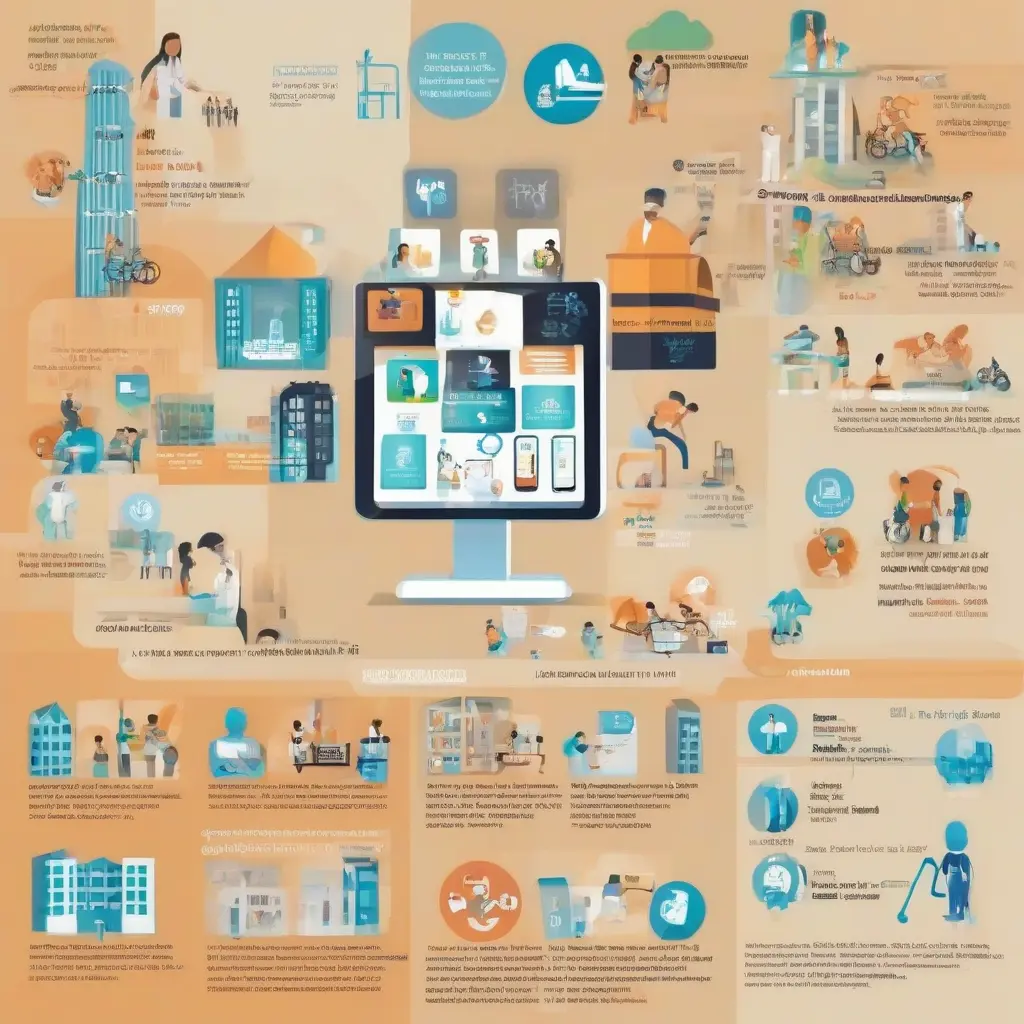
The rise of e-health solutions has transformed the landscape of healthcare, particularly in urban areas of India. Startups are leveraging technology to improve patient care, streamline processes, and enhance access to medical services. This article delves into how these innovations impact the growth of urban healthcare startups, exploring the benefits they offer, the challenges faced, and the future of healthcare delivery in this dynamic environment.
Understanding E-Health Solutions
E-health solutions encompass various technologies that facilitate healthcare delivery and health information management. This includes telemedicine, mobile health applications, electronic health records, and health information systems. These tools help streamline patient care by enabling remote consultations, efficient data management, and easier access to healthcare services. As urban populations grow, e-health solutions address the increasing demand for efficient healthcare by ensuring timely and effective communication between patients and providers.
The Role of Technology in Healthcare Startups
Technology plays a crucial role in enabling healthcare startups to innovate and implement e-health solutions. Startups harness data analytics, artificial intelligence, and machine learning to develop user-friendly platforms that enhance patient engagement and outcomes. These technologies allow for personalized healthcare experiences, predictive analytics for anticipating patient needs, and efficient resource allocation. By integrating technology into their operations, urban healthcare startups can effectively scale their services while improving operational efficiency.
Benefits of E-Health for Urban Healthcare Startups
E-health solutions offer numerous benefits for urban healthcare startups, including improved access to care and reduced operational costs. Telemedicine allows patients in remote or underserved areas to consult with specialists without traveling long distances. This not only saves time but also lowers transportation costs. Additionally, digital platforms reduce paperwork and administrative burdens, allowing healthcare providers to focus more on patient care rather than administrative tasks, ultimately enhancing the quality of services provided.
Challenges Faced by Healthcare Startups
While e-health solutions significantly improve healthcare delivery, they also pose challenges for startups. One of the primary issues is the digital divide, where not all patients have equal access to technology or the internet. Additionally, regulatory hurdles can slow down the implementation of new e-health solutions, as compliance with health data management standards is essential for gaining patient trust. Startups must navigate these challenges while remaining innovative and adaptable to changing market needs.
The Importance of Patient Engagement
Patient engagement is a critical component of successful e-health solutions, enabling healthcare providers to establish better relationships with patients. Startups are increasingly focusing on designing user-friendly applications that encourage active participation in one’s own healthcare journey. Features such as appointment reminders, medication tracking, and personalized health tips keep patients engaged and informed. Improved engagement leads to higher patient satisfaction and better health outcomes, fostering loyalty and trust in healthcare providers.
Future Trends in E-Health Solutions
The future of e-health solutions in India is promising, with emerging trends shaping urban healthcare startups. Innovations such as remote monitoring devices and wearable technology are gaining traction, allowing for real-time health assessments. Additionally, blockchain technology is being explored for secure health data sharing and management. With the ongoing advancements in telehealth and mobile applications, startups will likely continue to enhance their service offerings, leading to more integrated and patient-centric healthcare experiences.
Case Studies of Successful Startups
Numerous urban healthcare startups in India are successfully utilizing e-health solutions to improve patient outcomes. For example, companies like Practo and mFine provide platforms for virtual consultations, bridging the gap between patients and healthcare professionals. These platforms have seen substantial growth, particularly during the pandemic, highlighting the effectiveness of e-health solutions in meeting immediate healthcare needs. Such case studies exemplify how innovative approaches can lead to sustainable business models in the healthcare sector.
Collaboration with Traditional Healthcare Providers
Successful integration of e-health solutions often involves collaboration between startups and traditional healthcare providers. Such partnerships can enhance credibility, as established institutions lend their expertise and resources to new ventures. Collaborating with hospitals and clinics allows startups to gain access to patients and clinical data, further refining their services. This synergy can lead to improved healthcare delivery, as startups innovate while benefiting from the trust associated with traditional providers.
Regulatory Environment and Its Impact
The regulatory environment in India plays a significant role in shaping the development of e-health solutions. Ensuring patient data privacy and security is paramount, prompting the government to introduce regulations that guide healthcare startups. While these regulations aim to enhance patient safety, they can also slow down innovation due to compliance complexities. Therefore, startups must stay informed and adapt to these regulations to operate effectively while delivering high-quality healthcare services.
Conclusion
In conclusion, the influence of e-health solutions on urban healthcare startups in India is profound. These innovations not only enhance accessibility and efficiency but also pave the way for improved patient engagement and outcomes. As technology continues to evolve, startups that successfully navigate challenges while leveraging new opportunities will play a vital role in the future of healthcare delivery in urban India.