
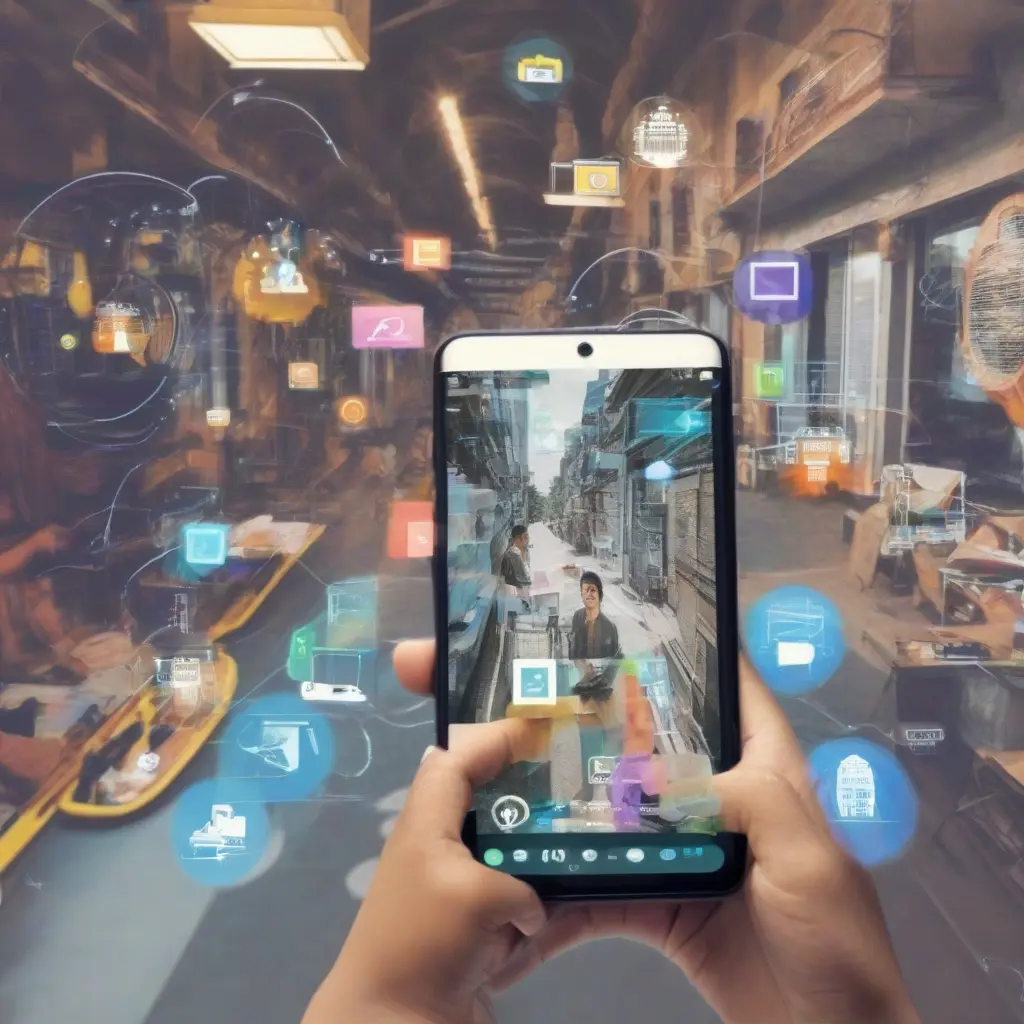
The rise of augmented reality (AR) technology presents a unique opportunity for startups in India. As digital transformation accelerates, businesses across diverse sectors are exploring how AR can enhance user experience and operational efficiency. From gaming and education to real estate and healthcare, the potential applications for AR are vast. This article delves into the current landscape of AR startups in India, the challenges they face, and their future prospects in a rapidly evolving technological environment.
Current Landscape of Augmented Reality in India
India’s augmented reality market is witnessing significant growth, driven by advancements in technology and increasing smartphone penetration. Companies are leveraging AR to deliver immersive experiences, making it a popular choice in sectors such as retail and entertainment. The Indian AR ecosystem includes a mix of established firms and startups, all striving to innovate and create unique offerings. Partnerships with technology giants and increased investments are further propelling this sector forward, indicating a healthy competitive landscape.
Key Industries Embracing Augmented Reality
Various industries are integrating augmented reality to enhance their services and products. In education, AR is transforming traditional learning methodologies, offering interactive experiences that engage students. The retail sector is utilizing AR for virtual try-ons and store navigation, enhancing consumer interaction. Additionally, healthcare professionals are using AR for surgeries and patient education. These innovations not only improve efficiency but also create a more enriching experience for users, demonstrating the versatility of AR technology.
Investment Trends in AR Startups
Investment in augmented reality startups in India is on the rise, reflecting a growing confidence among investors. Venture capital firms and angel investors are increasingly willing to fund innovative AR solutions, recognizing their potential for scalability and profitability. Notable funding rounds have occurred in the gaming and e-commerce sectors, indicating strong interest in consumer-facing applications. This influx of capital is crucial for startups to enhance their technology, expand their teams, and speed up product development.
Challenges Faced by Augmented Reality Startups
Despite the promising landscape, augmented reality startups in India face several challenges. High development costs and the need for advanced technological expertise can be significant barriers for emerging companies. Additionally, there is a limited understanding of AR among consumers and businesses, which can hinder adoption. Startups must invest time and resources in educating the market about their offerings while navigating technical hurdles to provide seamless and effective solutions.
The Role of Government in AR Innovation
The Indian government plays a crucial role in fostering innovation in the AR sector. Initiatives aimed at promoting technology startups, such as the Startup India program, provide financial support and mentorship to budding entrepreneurs. Furthermore, government-backed collaborations with educational institutions are developing skill sets required for the AR industry. By creating an ecosystem that encourages growth and development, the government significantly contributes to the viability of AR startups in India.
Future Prospects of AR Startups in India
Looking ahead, the future of augmented reality startups in India appears promising. With advancements in 5G technology and enhanced processing capabilities, AR applications will likely become more widespread and accessible. As businesses increasingly seek digital transformation solutions, AR provides an innovative avenue for improving customer engagement and operational efficiency. Startups that adapt to market demands and leverage technological advancements will be well-positioned to thrive in the coming years.
Impact of Global Trends on Indian AR Startups
Global trends in augmented reality are influencing Indian startups significantly. The growing demand for AR in industries worldwide is creating opportunities for Indian firms to collaborate internationally and expand their reach. Technologies originating from developed markets are being adapted to suit local contexts, enabling startups to innovate rapidly. Participation in global forums and partnerships can enhance visibility and attract investments, propelling Indian AR startups to the forefront of the technology landscape.
Conclusion
In conclusion, augmented reality startups in India are at a pivotal juncture, with immense potential for growth in various industries. While challenges remain, the collective efforts of stakeholders—including government initiatives, consumer awareness, and investment trends—will shape the future of AR in the country. By fostering innovation and embracing technological advancements, India is poised to become a significant player in the global augmented reality market.