
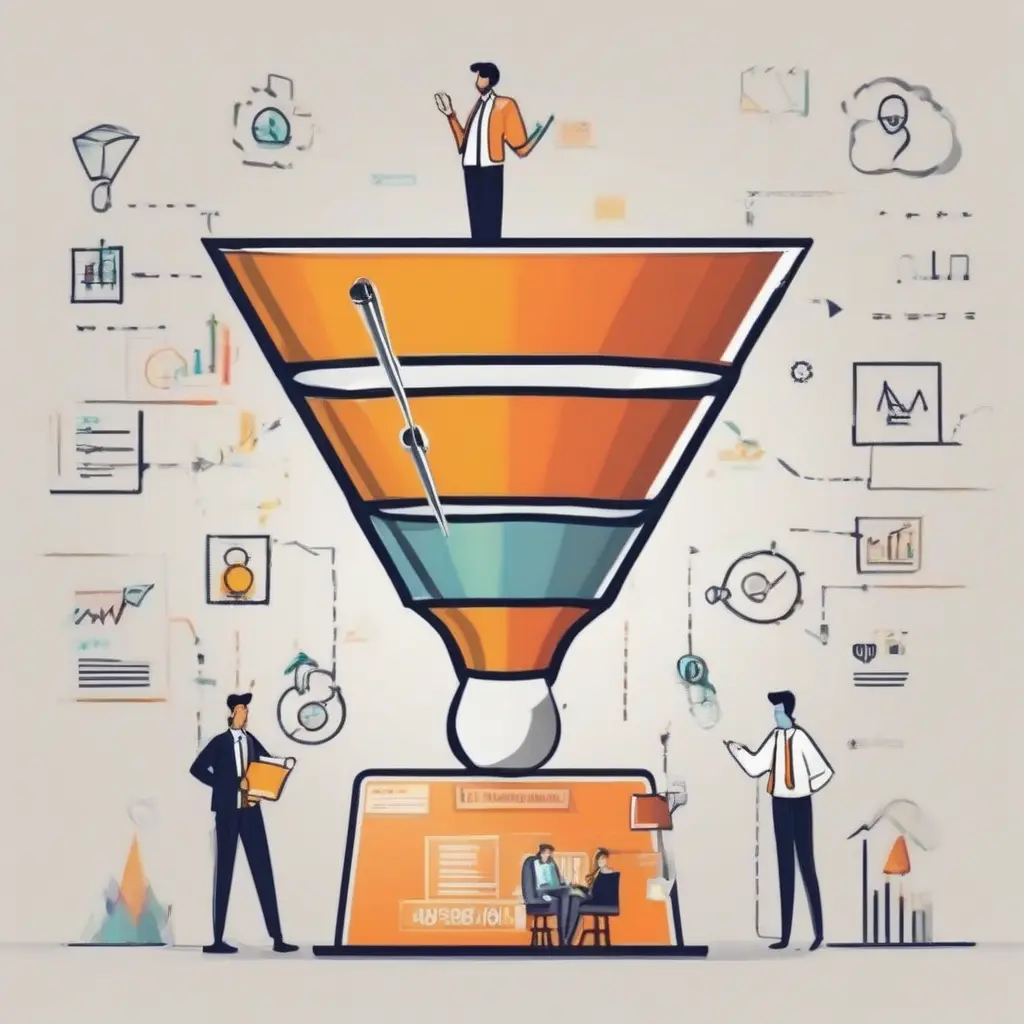
Creating a robust sales funnel is essential for the success of Indian startups aiming to scale their operations and maximize revenue. A well-structured sales funnel helps in guiding potential customers through the buying journey, from awareness to decision-making. By adopting best practices, startups can enhance customer engagement and significantly improve conversion rates. This article delves into effective methods for creating a robust sales funnel tailored for the unique challenges and opportunities in the Indian startup landscape.
Understanding the Sales Funnel Stages
The sales funnel consists of several stages: awareness, consideration, and decision. Each stage requires specific strategies to engage potential customers effectively. During the awareness stage, startups should focus on attracting a wide audience through content marketing, social media, and ads. In the consideration phase, providing valuable content, such as case studies and testimonials, helps in nurturing leads. Finally, during the decision stage, offering incentives or personalized consultations can guide prospects towards making a purchase.
Identifying Your Target Audience
Defining your target audience is crucial for creating an effective sales funnel. Start by conducting market research to understand your potential customers’ demographics, preferences, and pain points. Tools like surveys and analytics can offer valuable insights. A well-defined audience allows startups to tailor marketing messages, ensuring they resonate with the right people. This targeted approach not only improves engagement but also enhances conversion rates by meeting the specific needs of your potential customers.
Crafting Compelling Content
Content plays a pivotal role in guiding prospects through the sales funnel. Startups should create tailored content that addresses the needs and questions of potential customers at various stages. This can include blog posts, videos, infographics, and webinars. The key is to ensure content is not only informative but also engaging and relevant. High-quality content builds trust and establishes authority in your niche, encouraging prospects to move further down the funnel towards making a purchase.
Utilizing Social Media Effectively
Social media is a powerful tool for building awareness and driving traffic to your sales funnel. Startups should choose platforms relevant to their target audience, such as Instagram, LinkedIn, or Facebook. Regularly posting engaging content and utilizing paid advertisements can significantly increase visibility. Additionally, interacting with followers and responding to queries can foster a community around your brand. A strong social media presence not only attracts potential leads but also retains existing customers.
Implementing Email Marketing Strategies
Email marketing remains one of the most effective ways to nurture leads throughout the sales funnel. Startups should build an email list through lead magnets like eBooks or exclusive offers. Once prospects are on the list, sending personalized emails can help in keeping them engaged. Regular updates about products, special promotions, and valuable content can position your brand as a thought leader. This consistent communication builds relationships, making it more likely that leads will convert into paying customers.
Leveraging Analytics and Data
Data analytics is crucial for refining your sales funnel. Startups should track key performance indicators (KPIs) such as conversion rate, click-through rate, and customer acquisition cost. Using tools like Google Analytics can provide insights into user behavior, helping to identify bottlenecks within the funnel. Regularly reviewing this data allows startups to make informed decisions, optimize their strategies, and improve overall performance. Understanding what works and what doesn’t can lead to a more efficient sales process.
Testing and Optimizing Your Funnel
Testing and optimization should be ongoing processes in your sales funnel strategy. Startups can implement A/B testing to compare different approaches, such as varying email subjects or landing page designs. Based on the results, adjustments can be made to improve user experience and conversion rates. Optimization ensures that the sales funnel evolves with changing market dynamics and consumer preferences. By continually refining strategies, startups can maintain competitiveness and enhance overall effectiveness.
Developing Customer Feedback Loops
Collecting and implementing customer feedback is vital for enhancing your sales funnel. Startups should encourage customers to share their experiences and suggestions through surveys or reviews. This feedback helps identify areas of improvement within the funnel and ensures that customer needs are being met. Creating continuous feedback loops not only improves the sales process but also builds customer loyalty. When customers feel their opinions matter, they are more likely to return and recommend your brand to others.
Ensuring Mobile Optimization
Given the increasing reliance on mobile devices in India, ensuring your sales funnel is optimized for mobile users is essential. Websites and landing pages should be responsive, loading quickly and displaying correctly on smaller screens. Moreover, emails should be mobile-friendly to ensure maximum engagement. A seamless mobile experience can significantly improve user retention rates and conversion rates as potential customers are likely to abandon a funnel that is not mobile-optimized.
Integrating Customer Relationship Management (CRM) Tools
Leveraging Customer Relationship Management (CRM) tools can streamline the sales funnel process for startups. These tools help organize and manage customer interactions, making it easier to track leads throughout the funnel. A CRM system allows for automated follow-ups and personalized communication, ensuring no potential lead falls through the cracks. By integrating a CRM, startups can analyze customer interactions to optimize their sales strategies effectively and foster long-term relationships.
Conclusion
Creating a robust sales funnel is crucial for the success of Indian startups aiming to thrive in a competitive market. By understanding the stages of the funnel, identifying the target audience, and implementing various strategies such as content marketing, social media engagement, and leveraging analytics, startups can optimize their sales process. Continuous testing and improvement, alongside an emphasis on customer feedback, can lead to enhanced conversion rates and sustainable growth in the long run.