The demand for sustainable food options is rapidly growing in India, leading to an increase in the number of food delivery startups that prioritize eco-friendliness and health. With urbanization and changing consumer preferences, there is a significant opportunity for entrepreneurs to launch a sustainable food delivery service. This article outlines the essential steps to create a successful startup, including market analysis, sourcing sustainable ingredients, implementing technology, and establishing effective marketing strategies. By focusing on sustainability, you can create a brand that not only resonates with consumers but also contributes positively to the environment.
Analyzing Market Trends for Sustainability
Understanding current market trends is vital for positioning your sustainable food delivery startup effectively. Recent studies indicate that a significant portion of Indian consumers—especially millennials and Gen Z—are increasingly inclined towards organic, locally sourced, and plant-based food options. Research shows that nearly 70% of these consumers are willing to pay a premium for sustainable products. By analyzing these trends, you can identify gaps in the market and tailor your offerings to meet customer demands. Incorporating current meal preferences and dietary restrictions into your services will help you attract a loyal customer base.
Creating a Business Plan with Sustainability Goals
A well-crafted business plan is essential to guide your sustainable food delivery startup’s journey. Your plan should highlight your mission, vision, and values, emphasizing sustainability as a core principle. Include comprehensive market analysis, identifying your target audience and competitors while outlining your unique selling propositions. Financial projections—including initial startup costs, operational expenses, and expected revenues—should also be detailed. This business plan will not only act as a roadmap but also serve as an attractive proposition for investors looking to fund sustainable initiatives.
Sourcing Sustainable Ingredients Efficiently
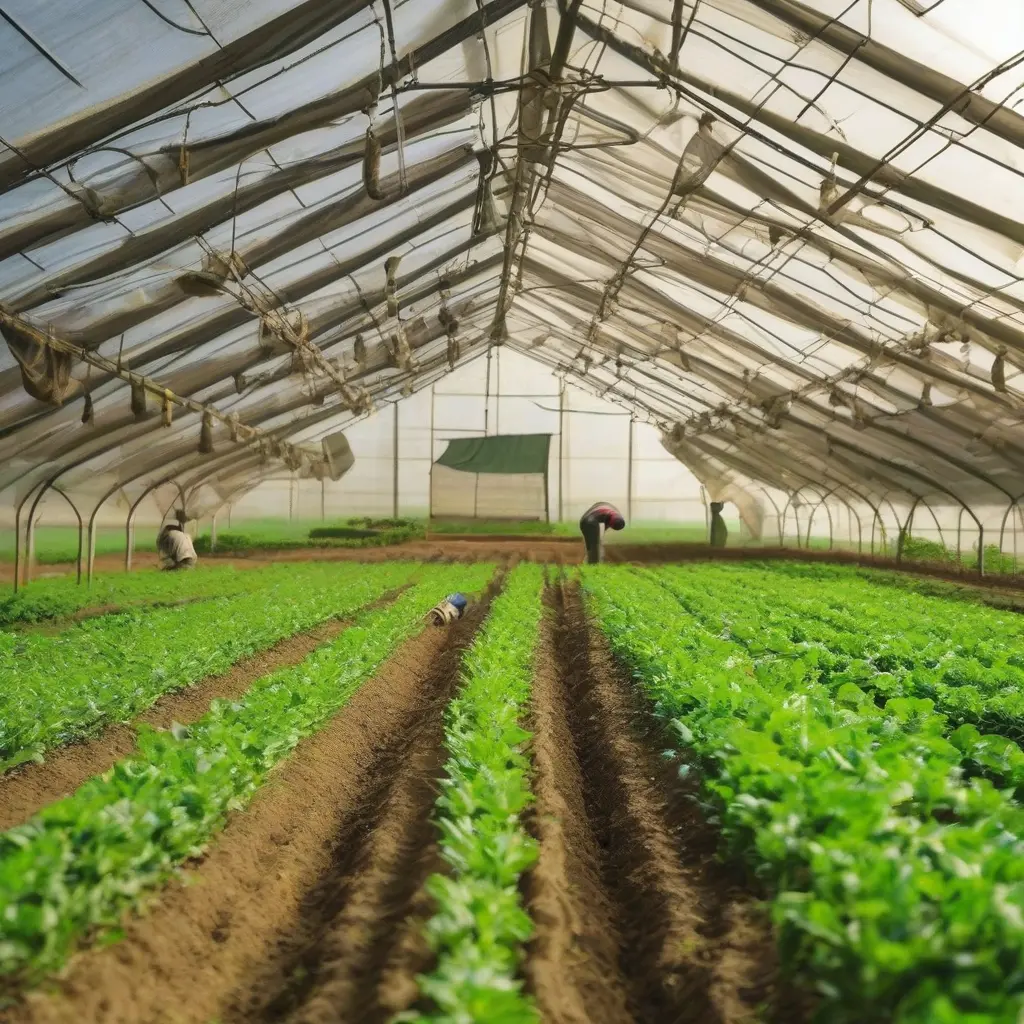
Sourcing high-quality, sustainable ingredients is critical for the credibility of your food delivery service. Establish partnerships with local farmers and organic suppliers who practice sustainable farming methods. This ensures that your meals are not only fresh but also ethically sourced, thus appealing to environmentally-conscious consumers. Additionally, by prioritizing local sourcing, you support local economies and reduce transportation-related carbon emissions. Transparency in your sourcing process can further enhance your brand’s reputation, as more consumers want to know where their food comes from and how it was produced.
Implementing Eco-Friendly Packaging Solutions
Packaging is a crucial aspect of any food delivery service, especially for those focused on sustainability. Transitioning to eco-friendly packaging materials, such as biodegradable or compostable options, helps minimize waste and carbon footprint. Innovative designs that keep food fresh while being environmentally responsible can attract consumers who value sustainable practices. Be sure to highlight your sustainable packaging initiatives in your marketing efforts, as customers are increasingly drawn to brands that demonstrate a commitment to reducing environmental impact. This will not only enhance your brand’s appeal but also foster customer loyalty.
Utilizing Technology for Order Management
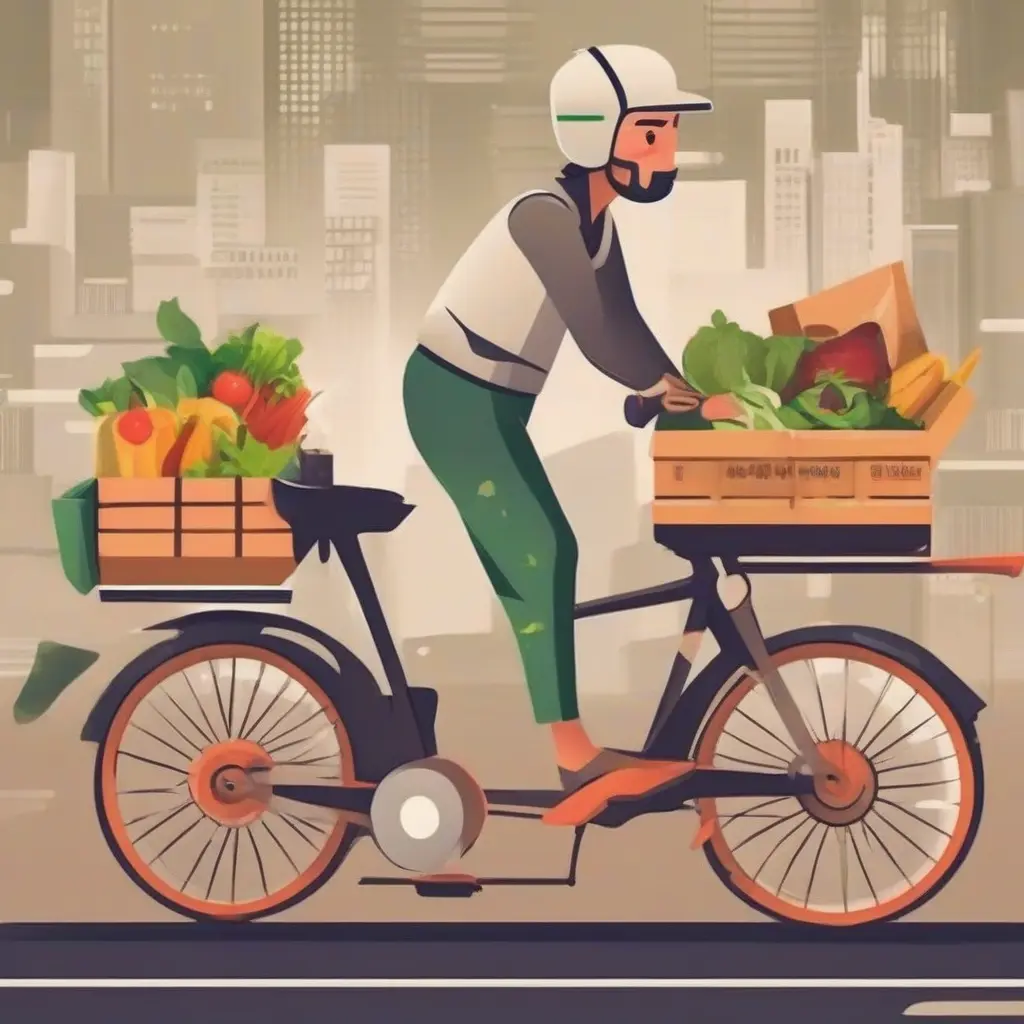
Integrating technology into your operations can significantly improve efficiency and customer satisfaction. Implement a user-friendly mobile app or website that allows customers to place orders easily, customize meals, and track deliveries in real-time. Utilizing data analytics can provide insights into customer preferences, enabling you to refine your offerings and marketing strategies. Additionally, logistics software can optimize delivery routes, lowering transportation costs and reducing environmental impact. Leveraging technology effectively will not only streamline operations but also enhance the overall customer experience, leading to higher retention rates.
Building a Strong Brand Identity
Establishing a robust brand identity is crucial for your startup’s success in the competitive food delivery market. Your brand should clearly communicate your sustainability mission while resonating with your target audience. Create an engaging logo, select a distinctive color palette, and develop a narrative that highlights your commitment to eco-friendly practices. Utilize social media and online platforms to share your brand story, showcasing your local partnerships and sustainability initiatives. A compelling brand identity fosters emotional connections with consumers, encouraging them to choose your service over competitors.
Developing Targeted Marketing Strategies
Effective marketing strategies are essential for reaching your target audience and generating awareness for your sustainable food delivery startup. Leverage digital marketing channels such as social media, search engine optimization (SEO), and content marketing to connect with potential customers. Collaborating with local influencers who align with your brand values can also broaden your reach. Highlighting testimonials and success stories will help build credibility and trust. Consistent messaging that emphasizes your commitment to sustainability will encourage consumers to prefer your service, thereby increasing customer acquisition and retention.
Navigating Legal and Regulatory Obstacles
Understanding the legal landscape is critical for operating your food delivery service in India. Familiarize yourself with local food safety regulations, licensing requirements, and health codes to ensure compliance. Depending on your business model, you may need to obtain permits for food handling and delivery. Consulting with legal professionals can help you navigate these complexities, ensuring that your startup adheres to all necessary regulations while protecting your interests. Staying informed about local laws will minimize potential legal issues and allow you to focus on building your brand sustainably.
Implementing Customer Feedback Mechanisms
Establishing robust customer feedback mechanisms is essential for enhancing service quality and customer satisfaction. Encourage customers to leave reviews and provide feedback through various channels, including surveys, emails, and social media platforms. Listening to customer opinions about their experiences will identify strengths and areas needing improvement. Addressing feedback promptly demonstrates your commitment to customer satisfaction, fostering loyalty and a sense of community around your brand. Regularly incorporating customer insights will help you refine your offerings and ensure they align with consumer expectations.
Planning for Sustainable Growth
As your food delivery startup establishes itself in the market, planning for sustainable growth becomes vital. Evaluate your business processes and supply chains to ensure alignment with sustainability principles. Consider diversifying your menu offerings based on consumer preferences and seasonal ingredients. Expanding into new markets should be approached strategically to maintain quality and sustainability standards. Regularly reviewing your growth benchmarks and sustainability metrics will ensure that your startup continues to thrive without compromising its core values, ultimately helping you remain resilient in a changing market.
Conclusion
Launching a sustainable food delivery startup in India offers a unique opportunity to innovate while contributing positively to the environment. Focusing on market research, ethical sourcing, and effective marketing will help your venture resonate with a growing community of eco-conscious consumers. By integrating technology and establishing a strong brand identity, you can create a service that meets today’s demands and sets a benchmark for future businesses. With careful planning and a commitment to sustainability, your startup can thrive in this exciting and evolving industry.